

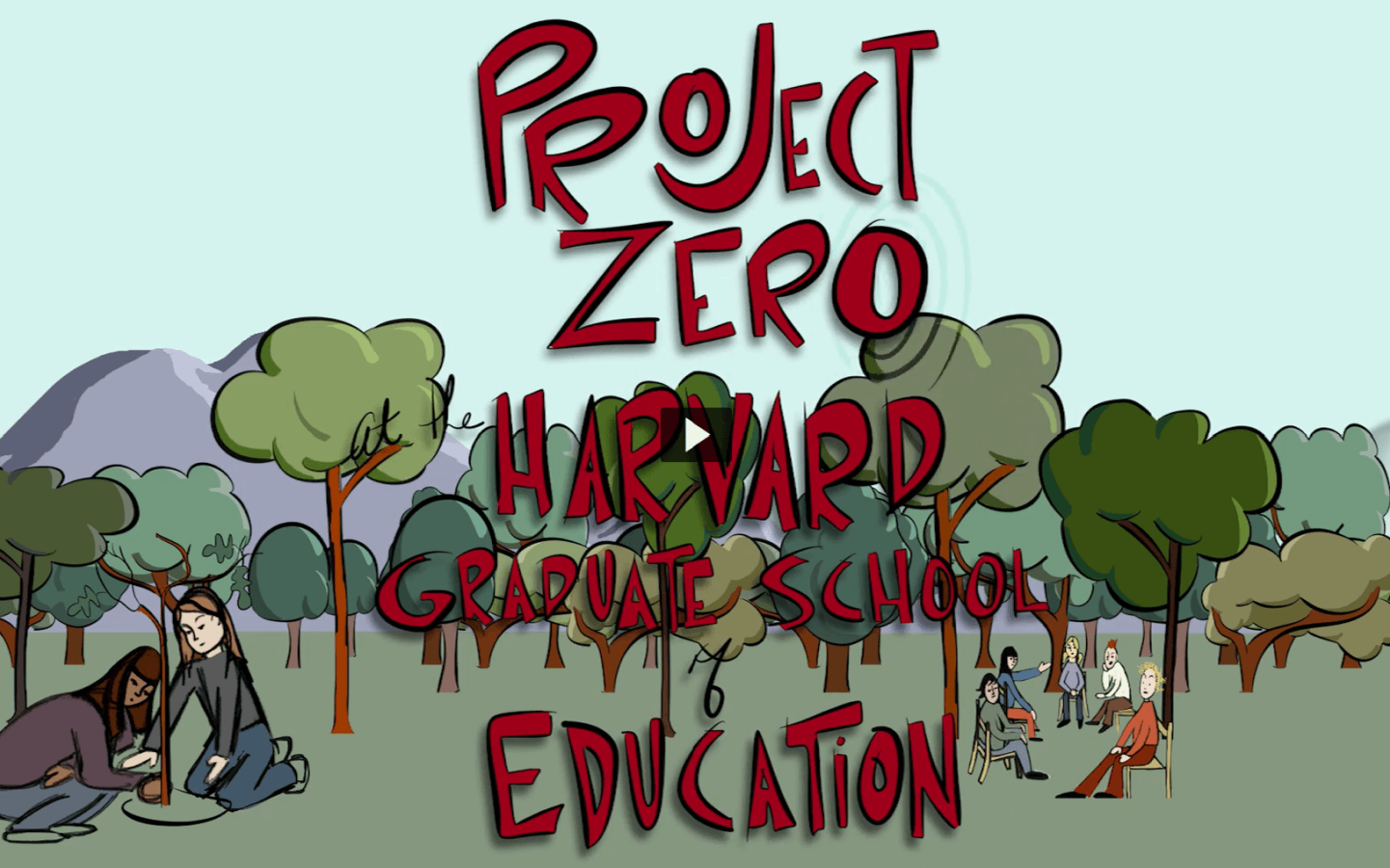
Project Zero, founded in 1967, is a research and development group at the Harvard Graduate School of Education investigating human intelligence, creativity, understanding, and learning at all levels.
Project Zero, housed at the Harvard Graduate School of Education, began in 1967. It was founded by the philosopher Nelson Goodman with the initial purpose of carrying out fundamental research on education in the arts. As Goodman famously quipped, “The state of general communicable knowledge about arts education is zero. We’re starting at zero, so we are Project Zero.” The whimsical name has stuck, though the project, 55 years old now, has moved well beyond zero systematic knowledge.
Since its inception and throughout the 55 years of its existence, the mission of Project Zero is to understand and nurture human potentials –such as learning, thinking, ethics, intelligence and creativity –in all human beings. The Project’s research examines the nature of such potentials, the contexts and conditions in which they develop, and the practices that support their flourishment.
What started as a small project aimed to research education in the arts, has since expanded to a much wider spectrum – from young children to mature learners, from schools to institutions like museums and corporations, from teachers to leaders in different fields of knowledge and practice.
A short explanatory video about Project Zero, together with some of its annual reports, may be found here.
Project Zero offers numerus information sources and tools in various topics related to education and learning including life long learning, ideas into action, leadership, thinking, and much more. Find out more on PZ website.
Prof. David Perkins is a founding member of Harvard Project Zero. Perkins is a Professor Emeritus of Teaching and Learning at the Harvard Graduate School of Education. He received his Ph.D. in mathematics and artificial intelligence from the Massachusetts Institute of Technology (MIT) in 1970, and was a founding member Harvard Project Zero while being a graduate student there. He co-directed Project Zero for nearly 30 years.
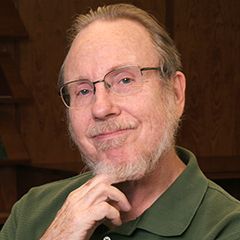
Prof. Perkins has conducted long-term programs of research and development in the areas of teaching and learning for understanding, creativity, problem-solving and reasoning in the arts, sciences, and everyday life. He has also studied the role of educational technologies in teaching and learning, and has designed learning structures and strategies in organizations to facilitate personal and organizational understanding and intelligence.
David Perkins continues to conduct research on creativity in the arts and sciences, informal reasoning, problem solving, understanding, individual and organizational learning, and the teaching of thinking skills. He has participated in curriculum projects addressing thinking, understanding, and learning in Colombia, Israel, Venezuela, South Africa, Sweden, and Australia as well as in the United States. He is actively involved in school change.
Prof. Perkins will be a guest at DigitalRosh LIVE Weaving Digital series on November 15, 2022.