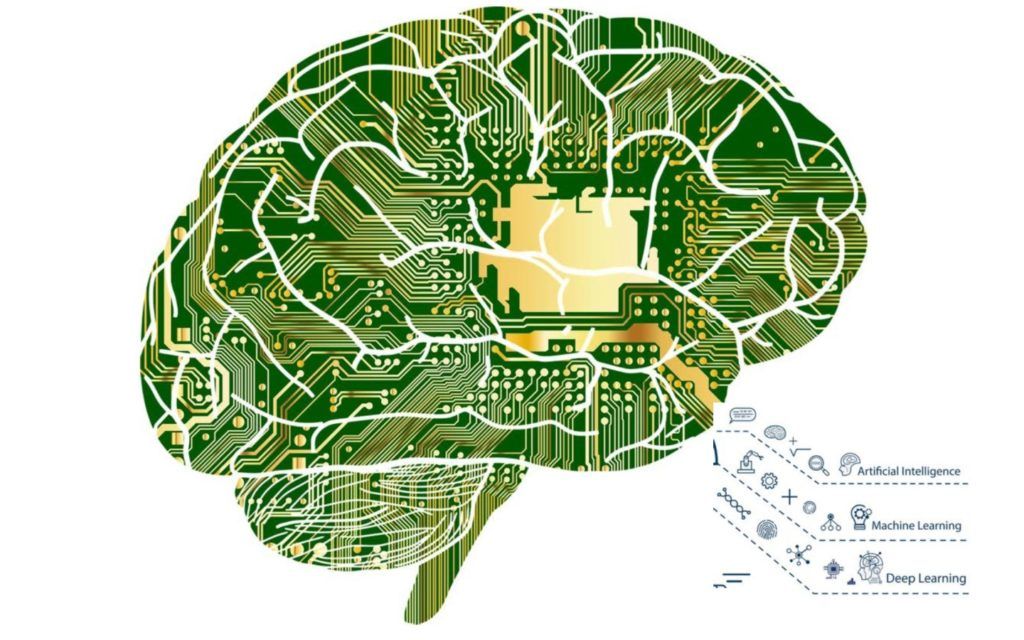
Compared to the classic computing we’ve had for the last 75 years, AI has led to new types of applications, e.g. facial recognition; new types of algorithms, e.g. machine learning; new types of computer architectures, e.g. neural nets; new hardware, e.g. GPUs; new types of software developers, e.g. data scientists; all under the overarching theme of artificial intelligence. The sum of these feels like buzzword bingo. But they herald a sea change in what computers are capable of doing, how they do it, and what hardware and software is needed to do it.
The attached document, from a Stanford research center, tries to describe all of this.
Please note:
This action will also remove this member from your connections and send a report to the site admin.
Please allow a few minutes for this process to complete.