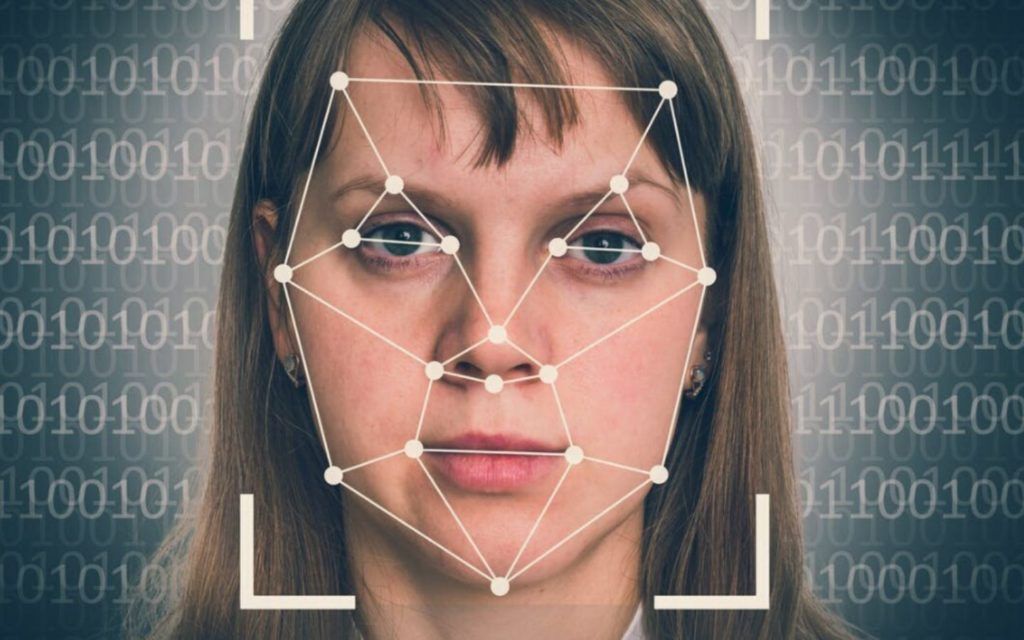

Deep-fake is a technological application based on artificial intelligence, which makes it possible to change or process the content of photos or videos so that it is difficult, and sometimes even impossible, to notice that it is a fake. Like many other applications in the field of artificial intelligence, this application has become cheap and relatively simple to use in the last decade, and in some cases it is even available to anyone who has access to the Internet.
As of 2021, there is still a need for expensive computing and experienced producers in order to create a reliable video and make it difficult for professionals to identify the forgery, not just for the general public. However, the technology is currently available through commercial websites or through professionals, and there are already apps that allow face swapping (even if at a relatively low professional level) such as FaceSwap and FakeApp.
The technology enables a number of positive uses of which we will highlight:
cinema and television
Medicine and psychology – patients, who due to diseases such as muscular dystrophy lose the ability to speak, will be able to use a device that will read text aloud, psychological treatments and more.
Education and historical preservation – creating interviews and visual materials with historical figures based on written or photographed documentation for the purpose of accessibility to the general public.
Computer games – improving the game experience and its credibility while reducing the need for prolonged filming or using real players.
Despite the positive potential in the field, the technology also brings with it dangerous and disturbing applications based on the very same capabilities: creating fake porn videos, creating products for the purposes of extortion and fraud, as well as for political influence, for manipulating public opinion and harming national security.
The deepfake intensifies the challenges of the post-truth era, as it is possible to produce a false representation, which may mislead the decision-making ranks, influence public opinion and the public and even motivate action, in accordance with the interests of the creators and producers of the forgery.
The use of deep fake leads, among other things, to the undermining of the truth and the suspicion that every piece of content is false, even if it is real. This is because it is possible, for example, to claim that the recording is false and was produced using deepfake capabilities and thereby disclaim responsibility, even in the case that it is real documentation. This poses challenges to truth and democracy.
The risk of this technology is so real that in 2019 it was defined by American intelligence organizations as the most serious strategic threat to national security.
A study carried out by Liran Antabi as part of the Lipkin-Shahak Program for Post-Truth and Fake News at the Institute for National Security Studies reviews and presents the technology used to create deep fakes. The developments in the field of preparation and dealing with the challenge in the world and in Israel are also examined. The study presents conclusions that emerged from a simulation conducted with the participation of experts, and offers recommendations for a desirable policy in the field for Israel, in order to be properly prepared for the growing threat of the Deep Pike.