According to the Center for AI Safety, AI risk refers to the potential dangers associated with the increasing capabilities of artificial intelligence systems, including perpetuating bias, enabling autonomous weapons, spreading misinformation, and conducting cyberattacks. As AI systems become more advanced and autonomous, they have the potential to cause catastrophic harm and pose existential risks to humanity. Here are 8 examples of AI Risk:
- Weaponization – Misusing AI for destructive purposes poses existential risks and can increase political destabilization.
- Misinformation – A torrent of AI-generated misinformation and persuasive content could diminish society’s ability to tackle crucial challenges of our time.
- Proxy Gaming – With flawed objectives, AI systems may discover innovative methods to pursue their goals, disregarding individual and societal values in the process.
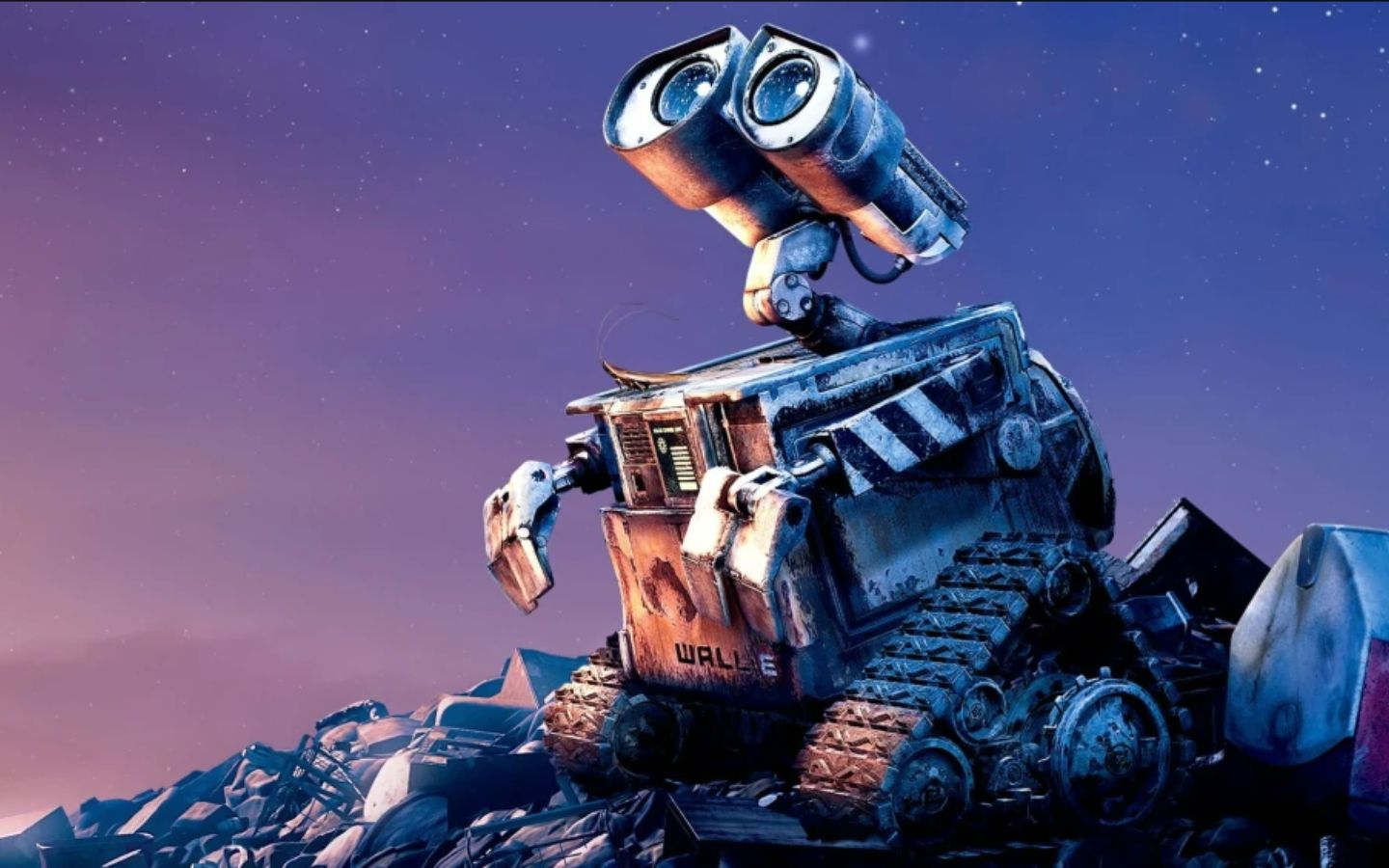
- Enfeeblement – Humanity can become disempowered and reliant on machines, akin to the depicted scenario in WALL-E, if critical responsibilities are increasingly handed over to automated systems.
- Value Lock-in -The exceptional capabilities of advanced systems can grant disproportionate power to select groups, resulting in the entrenchment of oppressive systems.
- Emergent Goals – Increasingly competent models can exhibit unexpected behavior, increasing the risk of losing control over advanced AI systems.
- Deception – Understanding the actions and motivations of powerful AI systems is difficult because they can strategically deceive while accomplishing various goals.
- Power-Seeking Behavior – Economic incentives drive the creation of powerful agents by companies and governments, but this pursuit of power can make them difficult to control.