In his 1942 short story “Runaround”, Isaac Asimov introduced the Three Laws of Robotics:
First Law: A robot may not injure a human being or, through inaction, allow a human being to come to harm.
Second Law: A robot must obey the orders given to it by human beings except where such orders would conflict with the First Law.
Third Law: A robot must protect its own existence as long as such protection does not conflict with the First or Second Law.
These laws were generally accepted by other sci-fi writers since then. However, it seems that reality is stronger than science fiction, as both robot manufacturers and governments support the creation of robots that can be ordered to kill a human – raising severe ethical concerns.
Wishing you an enlightening learning, and a very happy Hanukkah and Christmas.
Prof. Yesha Sivan, Founder, and CEO
& DigitalRosh team
(1) DigitalRosh > Corpus > Technologies > Robotics
San Francisco To Allow Police ‘Killer Robots’ (BBC)

San Francisco’s ruling Board of Supervisors has voted to let the city’s police use robots that can kill.
The measure permits police to deploy robots equipped with explosives in extreme circumstances.
This type of lethal robot is already in use in other parts of the United States. In 2016, police in Dallas, Texas, used a robot armed with C-4 explosives to kill a sniper, who had killed two officers and injured several more.
Dr. Catherine Connolly, from the group Stop Killer Robots, said the move was a “slippery slope” that could distance humans from killing. She also said that the move could “make humans more and more distant from the use of force and the consequences of the use of force”.
This decision raises ethical questions, as well as practical ones. Isaac Asimov’s first law of robotics states that “a robot may not injure a human being or, through inaction, allow a human being to come to harm.” However, it seems that the SFPD would rather breach this law, opening Pandora’s box. What would happen next?
(2) DigitalRosh > Corpus > Industries > Fintech
The Israel Ministry of Finance Report on Digital Asset Regulation (Cryptocurrencies)

On 01-DEC-2022, the Chief Economist’s Department at the Israel Ministry of Finance published their report on Digital Asset (“cryptocurrency”) Regulation in Israel.
Israeli government and regulators try to strike the right balance between minimizing risks to consumers, investors, and the economy as a whole, and carefully enabling the potential opportunities these new technologies might have for society.
In the report, the Israel Ministry of Finance presents its analysis of this challenge and outlines its recommendations to tackle it.
(3) DigitalRosh > Corpus > Library > Case Studies
Blacksocks Business Model (Business Model Navigator)

What is the connection between socks, market evolution, and a digital business model?
Here is a fascinating case study of the Blacksocks company.
Adapting to the digital world does not sometimes involve breakthrough technology or an algorithm developed by the best minds from Silicon Valley. Sometimes all that is needed is to take a proven business model from another field and make a digital adaptation to it through creative thought. That’s exactly what Blacksocks did.
The company took the old subscription model that has existed for many years (Newspapers, theater shows, etc.) and applied it to the clothing industry.
It allowed customers to subscribe through its website so they would receive the socks chosen by them delivered to their home, every month or other chosen period.
(4) DigitalRosh > Corpus > Technologies > AI
Futurepedia – The Largest AI Tools Directory

The internet is full of AI platforms that let anyone utilize the magnificent capabilities of AI. But how does one find the right AI platform for a specific task?
Futurepedia is a directory that lets you search between AI Platforms in order to find the ones that suit your needs. With over 250 tools, the directory is growing rapidly from day to day.
One such tool is “Feature clothing”, brought to our attention by Hagit Rimon Lochoff, a member of the DigitalRosh community. It’s a new tool using AI technology in order to provide information about items worn by individuals in a video reel – allowing high-quality in-video contextual advertising, matching clothing ads with the moment the item appears on the screen.
(5) DigitalRosh > Community > Community Events
DigitalRosh 2023 Kickoff: Metaverse or AI, The Future is Here!

DigitalRosh and the Technion invite you to open 2023 together on 19-JAN-2022 at the Planet cinema, Rishon Le’Zion, Israel.
The exclusive event hosted by Jacob Eilon will include breakfast, a keynote speech themed “Metaverse or AI – The Future is Here!” by Prof. Yesha Sivan, and a private screening of “Avatar: The Way of Water”. Networking breaks will also be included.
DigitalRosh PRO members are invited to sign up free of charge.
To receive a coupon code for complimentary registration, make sure you are logged in to the DigitalRosh website as a PRO member.
(6) DigitalRosh > Corpus > Collections > Women Leaders Collection
Person of the Week: Susan Wojcicki, CEO, YouTube
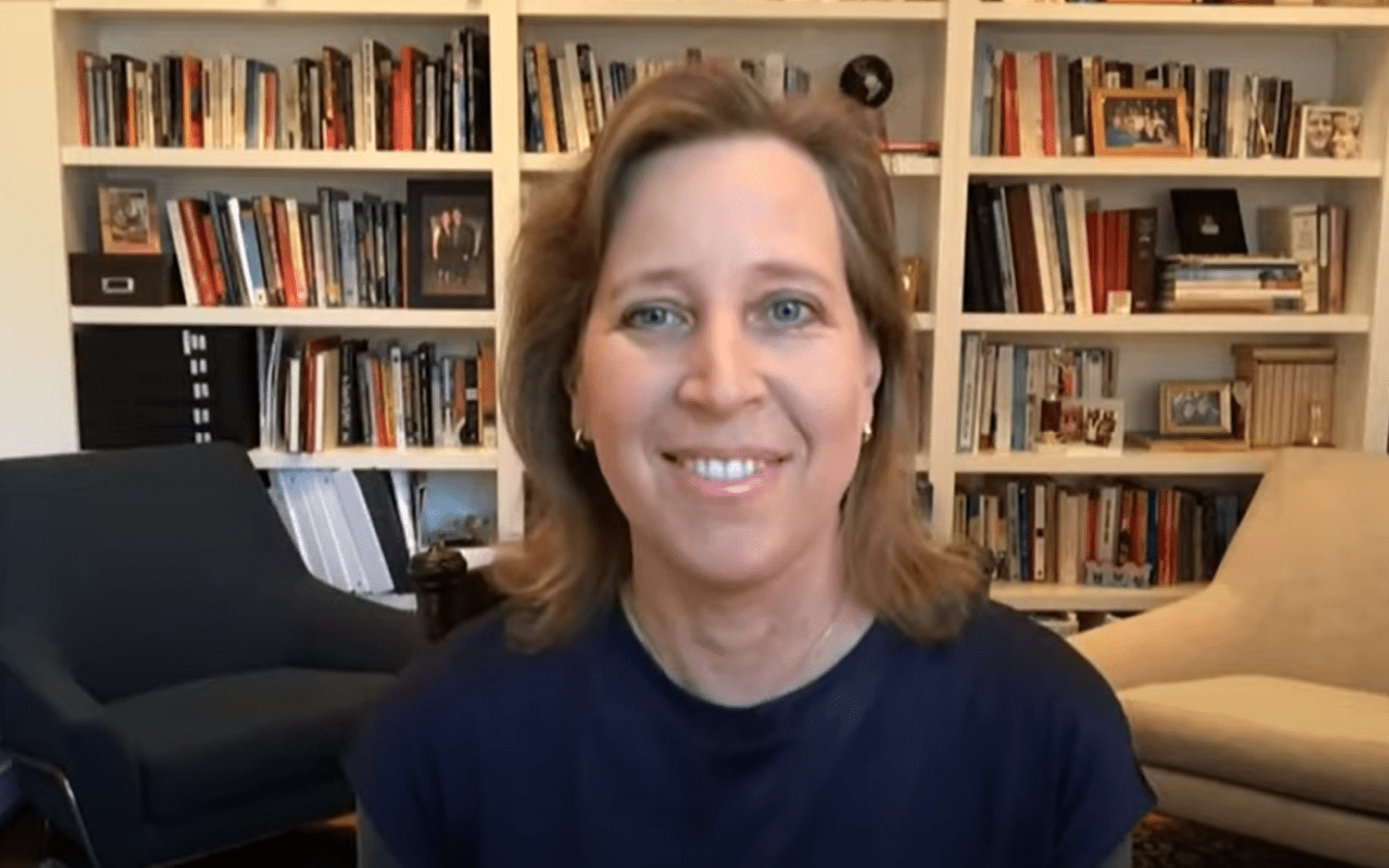
Susan Wojcicki is the CEO of YouTube, a video-sharing website and a subsidiary of Google.
Prior to her current role, Wojcicki was involved in the development of Google’s advertising products and played a key role in the development of Google AdSense. She is known for her leadership and innovative approach to business and has been recognized as one of the most powerful women in the technology industry.
Wojcicki was born in Santa Clara, California, and received her bachelor’s degree in history and literature from Harvard University. After graduation, she worked as a management consultant before joining Google in 1999 as the company’s first Marketing Manager. As a matter of fact, Google was established in Wojcicki’s parents’ garage…
In 2006, she recommended Google to acquire YouTube and has overseen the M&A process; In 2007, she recommended the purchase of another startup, DoubleClick, which empowered Google’s advertising platform while removing a potential competitor from the market.
Wojcicki became the CEO of YouTube in 2014. Under her leadership, YouTube tightened its policy on hate speech and violent extremism, while putting a greater focus on educational content, promoting educators with grants. She has also developed new monetization models and revenue streams for YouTube, bringing its advertising revenue to $28.8 billion in 2021. More than one billion hours of videos are watched on YouTube every day.
The Atlantic Council FrontPage event hosted Susan Wojcicki for a discussion on how YouTube views its mission and responsibilities in the information ecosystem and global digital regulatory efforts.
With approximately 2 billion users each month, YouTube is a major stakeholder in societal and political debates over the role of private industries and governments in governing the internet, the viability of human rights in digital spaces, and the impact of technology on societies.
In the interview, Wojcicki explains how YouTube has moved from entertainment to information and from recommending the newest to recommending the trusted and responsible.
She also explains YouTube’s four R’s of responsibility, paving the way for YouTube’s activities in both technology (design) and policy:
- Remove content that violates the platform’s policies.
- Raise trusted information to the front.
- Reduce content that tactically meets the letter of a policy but not its spirit.
- Reward valuable content, presenting an environment of trustworthy creators and contributors.
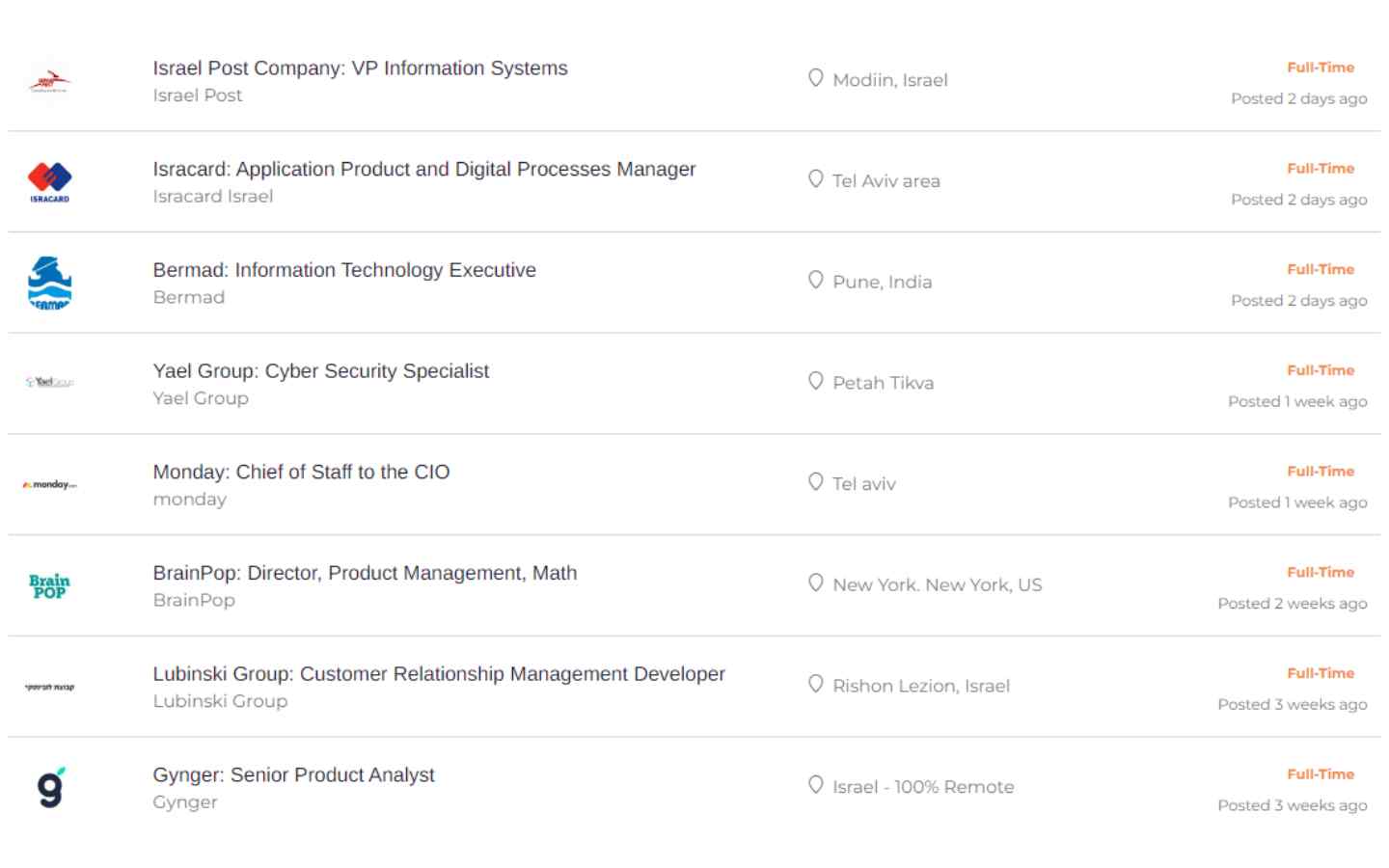
To view these and other job postings, click on the image or visit – DigitalRosh > Corpus > Career > Job Board