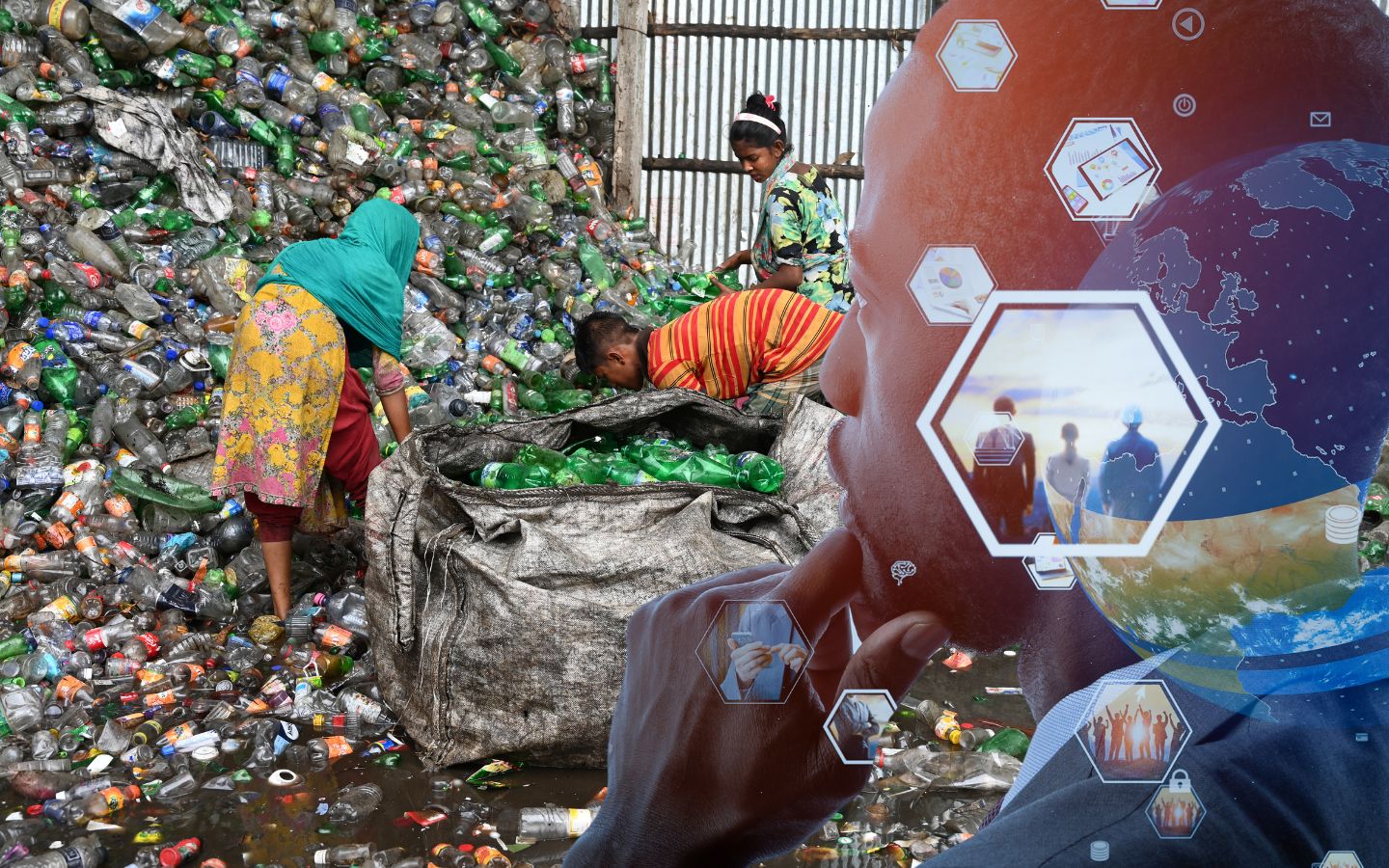

The International Labor Organization (ILO) policy brief provides an overview in the prevention of forced Labor through quality skills development and Lifelong Learning.
While highlighting how forced labor remains a prevalent issue at the global level, this policy brief discusses some of the main challenges faced by countries in countering forced labor and how to combat it through quality skills and lifelong learning and help people access decent work.
Key points:
- 27.6 million people were victims of forced labour in 2021—increasing in prevalence from 3.4 to 3.5 victims per thousand people.
- Skills and lifelong learning can counter forced labor by 1) preventing it from ever taking place; and 2) aiding victims in their path to recovery and productive reintegration into society.
- Equitable access to quality skills training and lifelong learning is essential to guaranteeing decent work for all and fostering social cohesion within societies.
- The main challenges in countering forced labor with skills development include improving the accessibility and outcomes of programmes, providing robust skills development programmes, and responding to local factors which inhibit social inclusion.
- Raising awareness about forced labour should be a part of all skills programmes.
- Take proactive measures to identify vulnerable populations in the local context.
- Improve training programme outcomes through monitoring and evaluation.
In 2014, the United Nations General Assembly declared 15 July as World Youth Skills Day, to celebrate the strategic importance of equipping young people with skills for employment, decent work and entrepreneurship. Teachers, trainers and other educators play an essential role in providing skills for youth to transition to the labor market and to actively engage in their communities and societies.