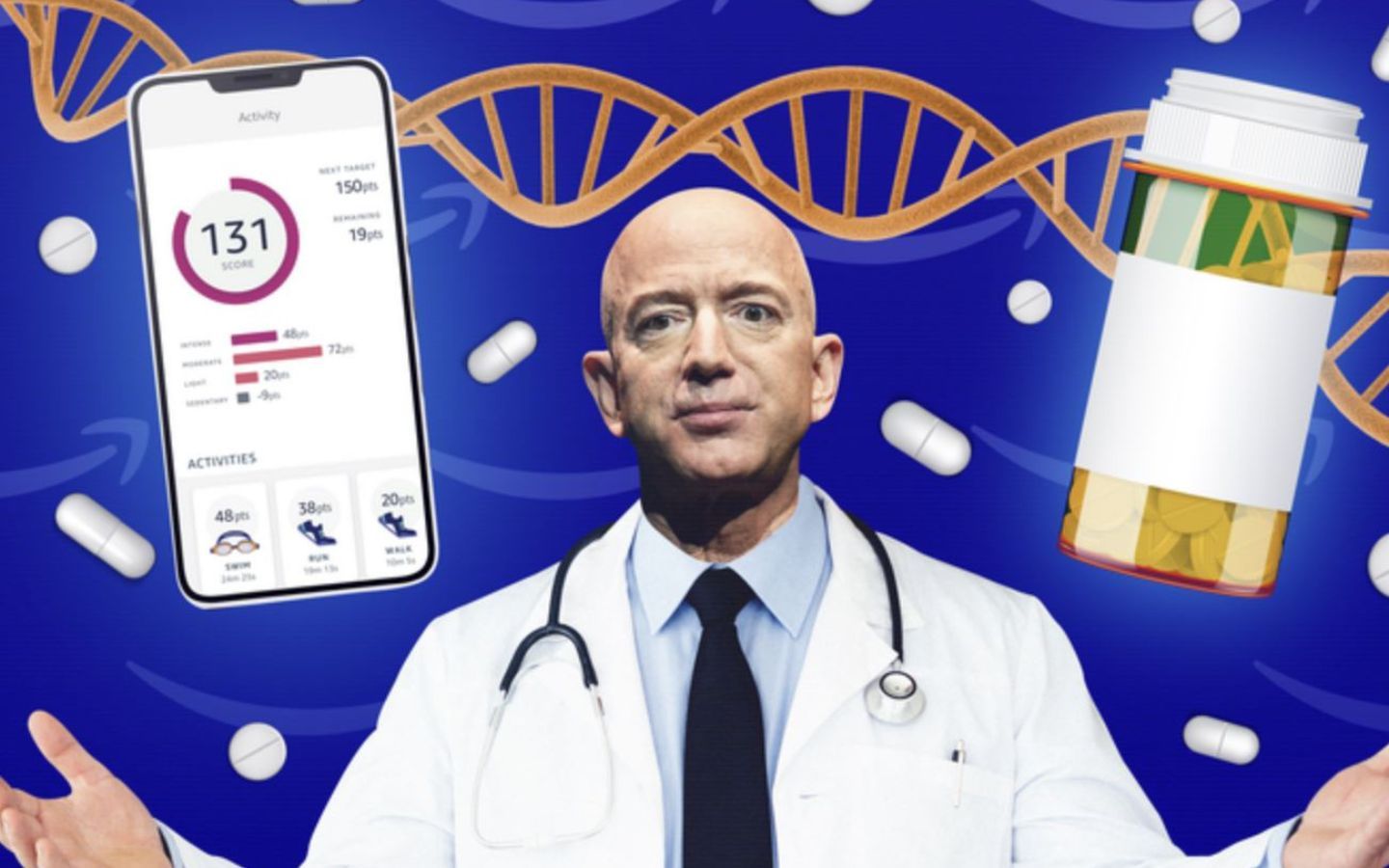

On July 21, Amazon announced its first major acquisition under Andy Jessee as CEO, with the purchase of One Medical for $3.9 billion. One Medical is a national chain of primary care clinics, supported by the private investment company Carlyle Group.
Amazon’s healthcare ambitions began more than 20 years ago. So far, none of the attempts to enter the health sector have been very successful (nor has an amount as high as the one invested in One Medical been invested in it). The previous experiences in the healthcare field include:
- Investing in Drugstore.com in 1999. Jeff Bezos served on the company’s board of directors.
- Partnering with JPMorgan and Berkshire Hathaway in 2018 to establish Haven, trying to develop new ways to provide healthcare services to their companies’ employees. The project officially ended in 2021.
- Buying the startup PillPack, an online pharmacy focused on prescription drugs for chronic diseases, in 2018 for $753 million. She later started Amazon Pharmacy, which, like PillPack, delivers medications, and she combined customer discounts with Amazon Prime memberships.
- Launching its own primary and urgent care service, called Amazon Care, starting in 2019, to treat its employees. Amazon Care has tried to get other employers to offer its service, with limited success.
One Medical has built its own electronic medical records system, and has 15 years of medical data and a health system that Amazon can tap into. Although individual patient records are generally protected under federal health privacy laws, Amazon’s big data expertise could be powerful in healthcare—for predicting costs, targeting interventions, and developing products and treatments.
The purchase, which gives Amazon access to a very large database in a field that it did not have access to until now, raises antitrust questions.
Lina Kahn who leads the FTC The Federal Trade Committee advocates a systemic approach regarding the impact of merger and acquisition transactions. It examines the synergy options available to the companies between the new procurement and between existing capabilities and control in various fields. Amazon’s acquisition of One Medical is a “red flag” in this respect, and at the very least warrants examination. This is a testing time for the FTC and it will be interesting to see how it behaves.
An investigation by the Washington Post published in April 2021 that dealt with the acquisitions and investment campaigns of the technology giants indicates the pattern of operation and the concerns expressed by the FTC in this regard:
Amazon, Apple, Facebook and Google control many aspects of our lives. But they didn’t get there alone. They acquired hundreds of companies over decades on their way to becoming the most powerful technology companies in the world.
The 4 companies operate in a similar pattern. First, they became dominant in their original business, such as e-commerce for Amazon and Google search. Then they expanded into other areas, making acquisitions in new sectors to exploit superiority in those core areas, add revenue streams and bypass (or completely neutralize) competitors.
This is exactly the concern that arises in the face of this purchase. The One Medical transaction is a test point for the FTC and its determination to act to protect the economy and limit the power of the BIG 4.