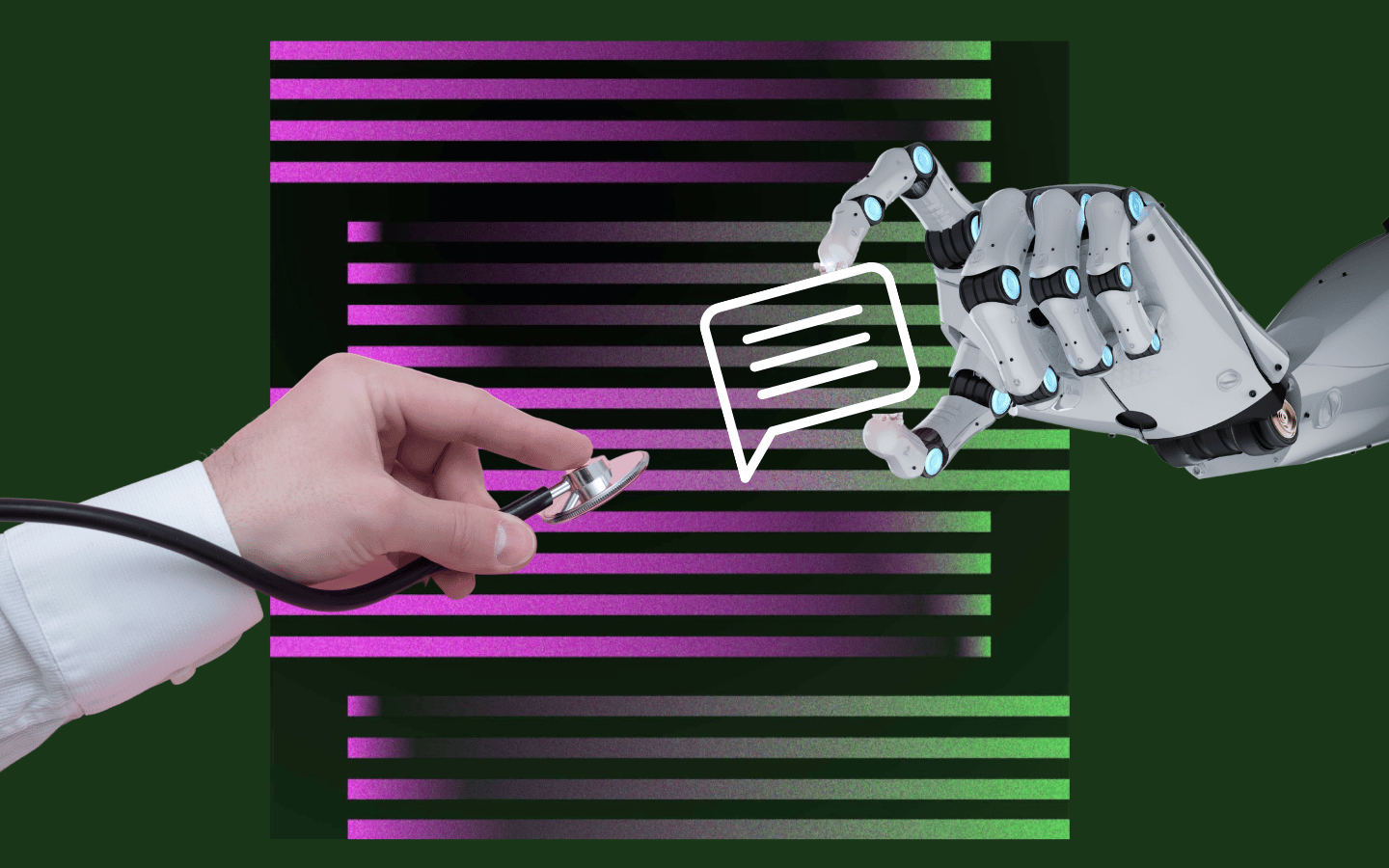

Providing proof by example that the future of medical writing is going to be heavily dependent on artificial intelligence and chatbots. The human author of this article Dr S. Biswas states “that this entire article was written by ChatGPT. Unless otherwise indicated, the headings and subheadings were used as input in its user interface. The editing was then done by the human author.”
Biswas explains the artificial intelligence (AI) text generation technology called ChatGPT. This AI-based writing assistant can generate text for medical writing, including scientific articles. What is fascinating, is that the paper is a self-reference. It was almost all written using ChatGPT, except for the introduction, cautions, and edits by the human author. For example, one header prompt that created the next paragraph written by ChatGPT is “will chat gpt replace human medical writer?” This makes it an article that talks about itself (meta-text). Thus, proving the capabilities of ChatGPT as an assistive tool in medical writing.
Although the experience with ChatGPT might be astonishing, it also has many limitations. Biswas notes several concerns. These include ethical (e.g., plagiarism), legal (e.g., copyrights), innovation (e.gh, repetition), bias, accuracy, and transparency concerns. Thus, with AI-generated content, editing by human authors is a must.