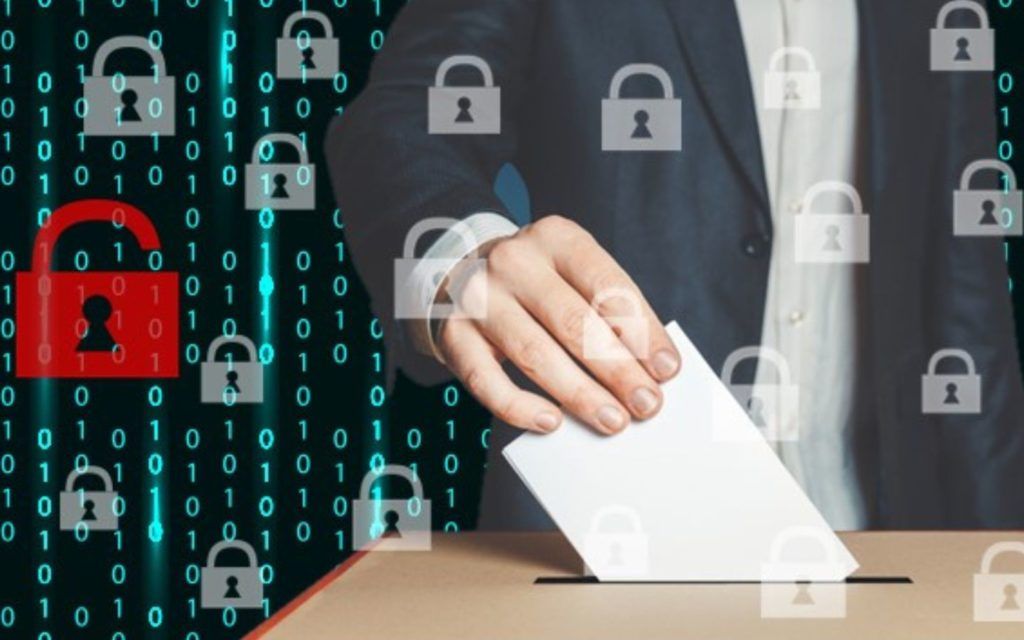

In recent years, elections in democratic regimes have become a target for foreign influence and interference. An election period is an attractive time to carry out influence operations, when the political tension is at its peak. The goals of influence can range from biasing the results of the elections to exploiting the elections to deepen polarization in society and damage the public’s trust in the democratic process.
In an article written by Lt. Col. (res.) David Siman Tov, Lt. Col. (res.) Tamir Heyman and Amos Havitz from the INSS, the Institute for National Security Studies at Tel Aviv University, published on July 19, 2022, they refer to the risk, to the findings of the State Comptroller who examined its preparedness of Israel to deal with these threats and end with recommendations.
The threat of foreign influence on democratic processes in the Western world is traditionally divided into three areas of action:
- Technological attacks on the voting process and on the information systems relevant to the election system
- Influence on the conversation, the trust and the consciousness of the public by introducing false content to the social networks
- Cyber-attacks with a psychological purpose that include stealing information and publishing it.
On March 9 of this year, the State Comptroller’s report dealing with information and cyber systems in the Knesset elections was published. The summary of the findings on information systems and cyber is presented in a video produced by the auditor’s office – 10 things you should know.
At the end of June 2022, as part of Tel Aviv University’s International Cyber Week, Auditor Engelman publicly addressed the Central Election Commission’s preparedness for cyber threats: “We are exposed, defenseless, living within a global plan of ‘Big Brother’; World War III will be a cyber war, but the world is not prepared for it; penetration tests we performed revealed many deficiencies.”
According to the auditor, the findings of the audits raise “an alarming situation regarding preparedness for cyber threats and that there is a lack of vigilance on the part of public bodies in their duty to protect the information in their possession.” The report indicates a number of deficiencies in the response to cyber threats, among them the lack of a document that presents an overall concept and the absence of the operation of a public committee that will examine the various issues related to the prevention of interference in election processes. The auditor also emphasized the need to act routinely, i.e. also between election campaigns, in dealing with cyber threats.
Of the three cyber threats – attacks for the purpose of disruption, attacks for the purpose of influencing public consciousness and manipulation of the content of political discourse on social networks – the auditor refers to the first challenge only.
The threat to election systems, as it is recognized in the West, combines the various mediums and does not focus only on disrupting the voting systems. Indeed, the threat to the elections in Israel can be carried out through cyber attacks on the voting systems, but also through influencing the content of the political discourse through the introduction of false content with the aim of deepening the internal tensions that exist in Israel (Jewish-Arab relations, right-left, Mizrahi-Ashkenazim) or in a combination between these two channels of action.
The accumulated experience in the West regarding the interference of foreign parties in the elections raises the need to connect parties from the cyber space and the field of content and combine them, in order to formulate and implement a response to the threat.
A democratic country is required to develop tools in order to prevent foreign subversive elements from harming it while taking advantage of the democratic rules of the game. For this purpose, the definition of the threat, relevant intelligence, multidisciplinary organization and examination of rules of conduct in social networks (in collaboration with the media companies) are required. In addition, it is recommended that civil organizations, including associations, research institutes, and fact-checking bodies, contribute directly to raising awareness of the threat of foreign interference in the discourse during the election period and to strengthening resilience in the face of it.